






















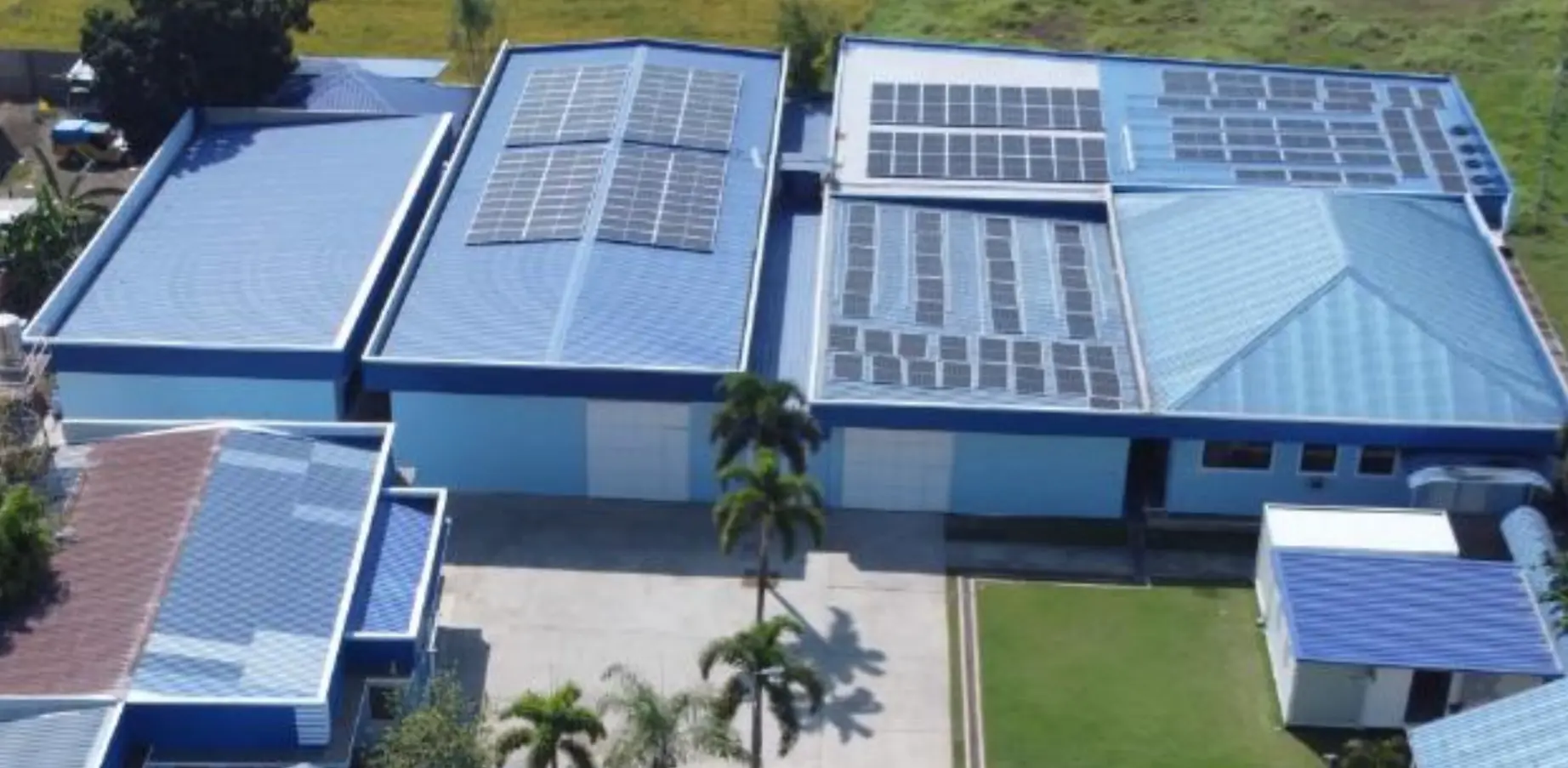
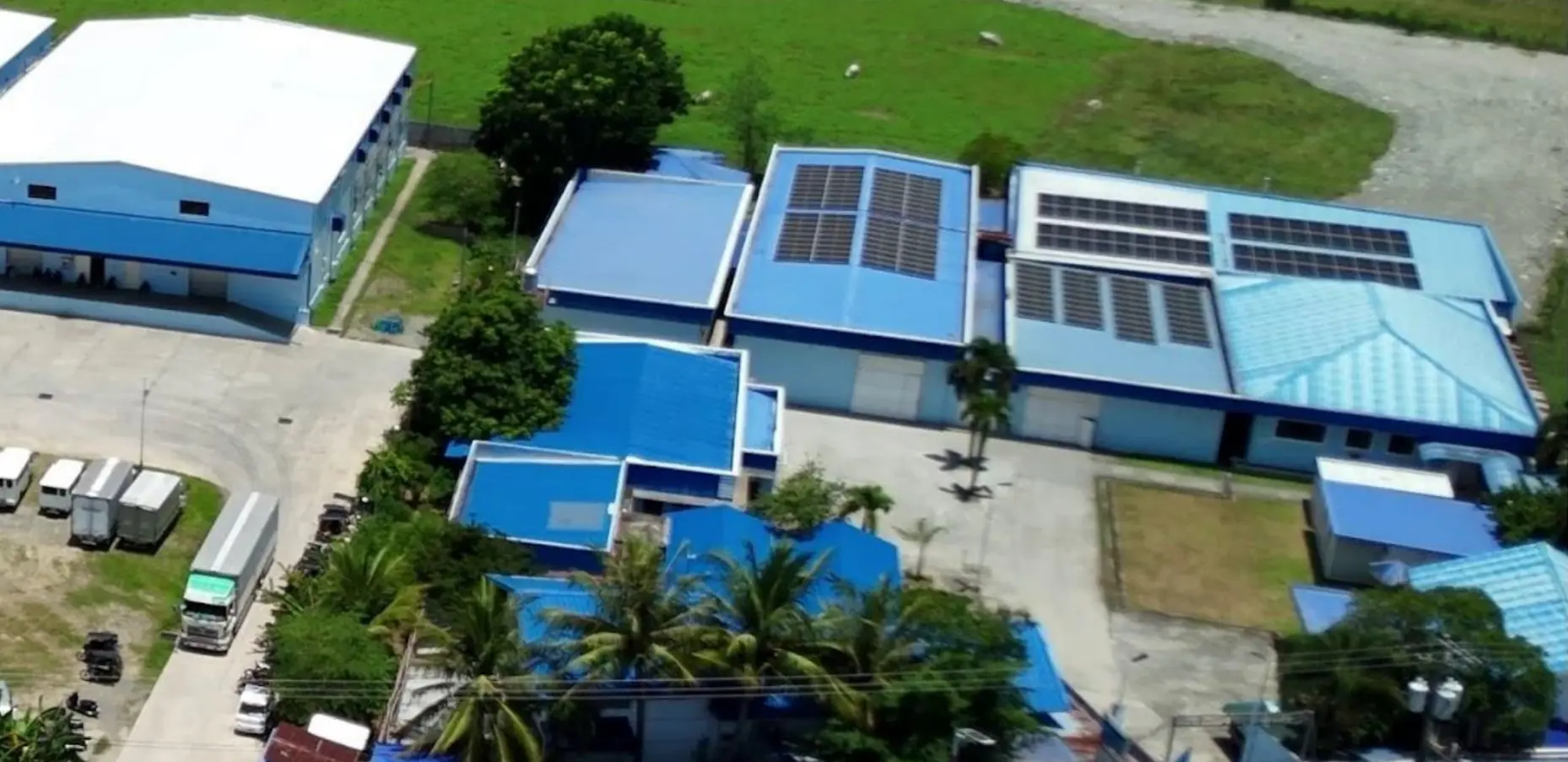
Used of solar power system have been installed to reduce electrical cost and achieve long-term cost savings from sustainable practices. This initiatives is to provide operational resilience through better infrastructure.
ENVIRONMENTAL POLICY
INTRODUCTION
The Environmental Policy of Nutridense Food Manufacturing Corp. outlines our commitment to minimizing the environmental impact of our food manufacturing operations. As part of our dedication to sustainability, we strive to comply with all relevant environmental laws and regulations, reduce our ecological footprint, and continuously improve our environmental practices. This policy applies to all employees, contractors, suppliers, and operations within our company.
STATEMENT
Nutridense Food Manufacturing Corp. is committed to conducting business in an environmentally responsible and sustainable manner. We recognize the importance of reducing our environmental footprint and continuously improving our environmental performance. This policy aims to promote environmental awareness, integrate sustainable practices into our production processes, and minimize our impact on the environment.
OBJECTIVES
We strive to achieve the following environmental objectives:
- Minimize the generation of waste through process optimization, recycling, and responsible disposal.
- Promote water eGiciency in our operations, minimizing water usage and ensuring that wastewater is properly treated before disposal.
- Source raw materials responsibly, prioritizing sustainable, ethically-produced ingredients and packaging
- Prevent pollution by managing emissions, eGluents, and chemicals used in the production process
- Promote environmental awareness and best practices among employees, contractors, and suppliers
RESPONSIBILITIES
To ensure the successful implementation of this policy, the following roles and responsibilities are defined:
Pollution Control OGicer : Oversee the implementation of the Environmental Policy and ensure compliance with environmental laws and regulations; Regularly monitor environmental performance and implement improvements as needed; and coordinate with all departments to ensure adherence to environmental objectives and provide necessary resources.
Management : Set measurable environmental goals and allocate resources for the achievement of these goals; ensure continuous improvement in environmental performance; and conduct periodic reviews of the company’s environmental practices to ensure alignment with industry standards and legal requirements.
Department Heads : Responsible for ensuring that environmental policies and procedures are implemented in their respective departments.
Employees : Follow the environmental procedures outlined in this policy and take personal responsibility for minimizing their environmental impact; and participate in environmental training and adopt best practices in daily operations to support sustainability eGorts.
Suppliers and Contractors : Work with the company to ensure that all goods and services are sourced sustainably and that their environmental impact is minimized; and adhere to relevant environmental standards and policies when providing raw materials and services to the company.
REVIEW AND REVISION
This Environmental Policy is created 28th of June 2024 and will be reviewed and revised annually, or as necessary, to ensure that it remains relevant and eGective.
REGULATION AND STANDARDS
The Environmental Standards in this section provide a set of actionable, measurable criteria to guide environmental practices within the food manufacturing industry. These standards aim to minimize environmental impact across various operational areas such as waste management, energy use, water consumption, pollution prevention, and sustainable sourcing.
These standards are aligned with the company’s commitment to compliance with environmental regulations and the continuous improvement of our environmental performance.
- Waste Management Standards
- Waste Reduction
Goal: The company will strive to reduce the generation of all forms of waste (solid, liquid, and gaseous) by a minimum of 5% year-over-year.
Action: Conduct regular waste audits to identify areas for improvement in reducing raw material wastage, production scraps, and packaging
Measurement: Track total waste produced per unit of output, and implement a waste reduction program that encourages eGicient use of resources
- Waste Segregation
Goal: At least 80% of waste generated must be diverted from landfills through recycling or repurposing eGorts.
Action: Establish a waste segregation program within the manufacturing plant, with clear categories for recyclables, hazardous waste, food waste, and non recyclable waste
Measurement: Record and report the recycling rate monthly, and monitor the eGectiveness of recycling processes through audits
- Hazardous Waste Management
Goal: Ensure that all hazardous waste, including chemicals, oils, and solvents, is disposed of according to local, national, and international standards Action: Implement a secure hazardous waste handling and disposal process, and ensure appropriate labeling and containment during storage.
Measurement: Maintain a tracking system to ensure proper disposal and compliance with hazardous waste regulations.
- Energy EGiciency Standards
- Energy Consumption Reduction
Goal: Reduce overall energy consumption per unit of production by at least 10% within the next 3 years
Action: Implement energy-eGicient technologies, such as LED lighting, energy eGicient motors, and process optimization. Regularly maintain equipment to ensure optimal energy use
Measurement: Measure energy consumption monthly and compare it against production volume to calculate energy usage per unit produced
- Renewable Energy Utilization
Goal: By 2028, at least 20% of the energy used in manufacturing operations should come from renewable sources such as solar, wind, or biomass
Action: Begin phased implementation of renewable energy sources, either through direct installations (e.g., solar panels) or green energy procurement contracts
Measurement: Track the percentage of energy sourced from renewable sources and report this data annually.
- Energy Management System
Goal: Establish an Energy Management System (EMS) that follows international standards, such as ISO 50001, to ensure continuous improvement of energy eGiciency
Action: Integrate an energy monitoring system to track energy consumption across various operations and identify opportunities for energy savings Measurement: Conduct regular EMS audits and report findings to senior management, ensuring that energy consumption aligns with company goals
III. Water Quality Standards
- Water Usage Reduction
Goal: Reduce water usage by 15% per unit of production within the next 5 years Action: Implement water-saving measures such as optimizing cleaning processes, upgrading to water-eGicient equipment, and reusing water where possible (e.g., for cooling or landscaping)
Measurement: Track and report water consumption per production unit and set goals for annual reductions
- Wastewater Management and Treatment
Goal: Ensure 100% of wastewater generated by the facility is treated to meet or exceed local environmental discharge regulations
Action: Install wastewater treatment systems to properly treat eGluent before it is released or reused. Monitor quality parameters such as biochemical oxygen demand (BOD), chemical oxygen demand (COD), and pH
Measurement: Test treated water monthly for compliance with discharge regulations and ensure proper documentation of treatment performance. C. Rainwater Harvesting and Reuse
Goal: Implement a rainwater harvesting system for non-potable use (e.g., landscaping, cleaning) to reduce reliance on municipal wate
Action: Install rainwater collection systems where feasible, and integrate these systems into the overall water conservation plan
Measurement: Track the volume of water harvested and used annually to monitor the system’s eGectiveness
- Air Quality Standards
- Air Emission Reduction
Standard: Reduce greenhouse gas (GHG) emissions per unit of production by at least 8% over the next 3 years
Action: Implement cleaner technologies, such as low-emission boilers or alternative energy sources, to reduce emissions from production processes Measurement: Measure emissions using approved methods (e.g., carbon dioxide, particulate matter, volatile organic compounds) and report GHG emissions annually
- Waste Oil and Chemical Disposal
Standard: Ensure that 100% of waste oils and chemicals are disposed of in accordance with environmental regulations
Action: Create clear protocols for the handling, storage, and disposal of waste oils and chemicals used in production processes
Measurement: Maintain records of waste oil and chemical disposal, ensuring compliance with local regulations and proper documentation
- Noise Pollution Control
Standard: Maintain noise levels within permissible limits to ensure compliance with local noise pollution regulations
Action: Implement soundproofing measures and regular maintenance of machinery to minimize noise pollution from production processes
Measurement: Conduct noise assessments and ensure compliance with noise regulations set by local authorities.
- Sustainable Sourcing and Packaging Standards
- Sustainable Sourcing of Raw Materials
Standard: Source 75% of all raw materials from suppliers who adhere to sustainable farming or production practices by 2027
Action: Develop a supplier code of conduct that emphasizes the importance of sustainable practices, including ethical sourcing and fair trade certifications Measurement: Track and report the percentage of sustainably sourced materials used in production and engage in regular supplier audits to ensure compliance
- Sustainable Packaging Materials
Standard: By 2025, ensure that 90% of all packaging materials used are recyclable, compostable, or made from renewable resources
Action: Work with suppliers to choose sustainable packaging options, such as biodegradable plastics, paper-based packaging, or recyclable materials Measurement: Maintain records of packaging materials used and track the percentage that meets sustainable criteria.
- Packaging Waste Reduction
Standard: Reduce packaging waste generated by at least 10% per unit of production over the next 3 years
Action: Optimize packaging designs to minimize material usage without compromising product safety, and explore innovative packaging solutions Measurement: Monitor and report packaging waste per unit of product produced, setting reduction targets annually
ENVIRONMENTAL INITIATIVES
To meet our environmental objectives, we have implemented the following initiatives: I. Waste Management
- Reduce, Reuse, Recycle
- Lean manufacturing techniques can help minimize waste, increase eGiciency, and reduce energy consumption. These initiatives include optimizing resource usage, reducing energy waste, and reusing materials.
- Implement a waste reduction strategy by minimizing waste generation and reusing or recycling materials wherever possible
- Encourage employees to adopt lean practices such as continuous improvement (Kaizen), regular audits, and reducing excess inventory B. Waste Segregation
- Ensure all staG is trained on proper waste segregation, and waste is regularly collected and processed by licensed waste management contractors such as private companies or the municipal’s material recovery facility.
- All employees are encouraged to sort waste into recyclable and non recyclable categories. Segregate recyclable materials (e.g., cardboard, plastics, metals) from non-recyclable waste and ensure proper disposal methods
- Packaging Waste Reduction
- Employees should follow packaging guidelines and use minimal packaging for shipping and storage. Return and reuse packaging materials where feasible
- Strive to reduce, reuse, or recycle packaging materials. Transition to sustainable packaging options such as biodegradable or recyclable materials, where possible
- Hazardous Waste
- Hazardous materials should be handled with care and disposed of according to local regulations. Employees must be trained in safely handling and labeling hazardous materials
- Some food manufacturing processes may generate hazardous waste (e.g., cleaning chemicals or oils). Proper disposal methods are critical.
- Food Waste Reduction
- Monitor production levels to avoid overproduction. Establish guidelines for waste reduction in the kitchen and production areas, such as donating surplus food to local charities or repurposing ingredients.
- Minimize food waste through better planning, inventory management, and donations of excess food to charity.
- EGorts should be made to reduce food waste at all stages of production. This includes proper storage, handling, and preparation techniques to minimize spoilage
- Energy Management
- Energy EGiciency
- Adopt an energy management system (EMS) to monitor and control energy use in the facility
- Encourage employees to operate energy-eGicient equipment properly and maintain them regularly. Consider upgrading older machinery to more energy-eGicient models where possible
- Utilize energy-eGicient equipment and technologies throughout the production process.
- HVAC systems can be a significant source of energy consumption. Ensure these systems are operating at peak eGiciency by cleaning regularly. Set optimal temperature levels for comfort while minimizing energy use and avoid unnecessary heating or cooling in unoccupied areas.
- Optimize production schedules to avoid unnecessary energy
consumption. Reduce downtime and idle periods for machines.
- Encourage employees to adopt the habit of turning oG equipment, lights, and systems when they are not in use.
- Transportation and logistics can account for a large portion of a
manufacturing plant’s overall energy consumption
- Renewable Energy
- Explore opportunities to transition to renewable energy sources (e.g., solar, wind) to power our operations.
- Transitioning to renewable energy sources, such as solar or wind power, can significantly reduce a company’s carbon footprint and reliance on fossil fuels.
- Proper insulation helps maintain temperature control and reduces the need for additional heating or cooling.
- LED lights use significantly less energy compared to traditional lighting options and have a longer lifespan.
- Energy consumption isn’t limited to production; it also includes packaging and storage. Using lighter or more energy-eGicient packaging can lower energy costs associated with storage and transportation.
- Energy Monitoring
- Setting measurable energy-saving targets can create a sense of
accountability and achievement among employees
- Regularly monitor energy consumption and identify areas for
improvement, encouraging energy-saving practices among employees. • Smart meters can track real-time energy usage and help identify areas where energy eGiciency can be improved.
III. Water Conservation
- Water EGiciency
- Utilize water-eGicient machinery, systems, and technologies in the
manufacturing process to minimize water usage
- Implement measures to reduce water usage in production and other operations (e.g., closed-loop cooling systems, low-flow water fixtures). • Use closed-loop cooling systems that recycle water and minimize
discharge. Regularly check and maintain cooling systems to ensure they are operating eGiciently and reducing water waste.
- Conduct water audits to assess water usage patterns, identify wasteful practices, and detect leaks
- Water leaks, even small ones, can result in significant water waste.
Proactively detect and repair leaks to minimize unnecessary water
consumption.
- Cleaning is essential in food manufacturing, but it can be a major source of water consumption. Optimizing cleaning practices can significantly reduce water usage by adopting water-saving techniques like using
pressure washers instead of hoses, implementing dry cleaning methods, and using water-eGicient detergents and sanitizers. Schedule cleaning tasks to avoid overuse of water during peak production times.
- Redesign the landscape with native or drought-resistant plants and install drip irrigation systems that use water more eGiciently. Ensure the proper scheduling of watering activities to avoid excessive water use.
- Establish water conservation targets, such as reducing overall water usage by a certain percentage annually. Monitor usage and progress regularly and incentivize employees for achieving water-saving goals.
- Reduce water waste in the packaging process by using sustainable
materials and reducing water-intensive processes.
- Implement water-eGicient techniques in processing lines, such as
countercurrent washing systems or dry cleaning technologies. Monitor and adjust water use per unit of product to minimize waste.
- Wastewater Management
- Recycle and reuse water where possible to reduce the demand for fresh water. This includes reusing water in non-potable applications, such as cooling systems or cleaning processes.
- Install rainwater collection systems to harvest water for use in irrigation or non-potable applications. Design landscapes and drainage systems to minimize stormwater runoG and protect water quality.
- Install smart meters to monitor water usage in real time, enabling more precise tracking and reducing water waste.
- Treat and properly dispose of wastewater according to regulatory
requirements, minimizing impact on local water resources.
- Sustainable Sourcing
- Ethical Sourcing
- Prioritize sourcing of raw materials and ingredients that are grown or produced sustainably, considering factors such as pesticide use, water consumption, and social responsibility.
- Ensure that seafood and animal-based products are sourced sustainably, following guidelines for humane treatment, environmental impact, and sustainable fishing or farming practices.
- Select ingredients that have a lower environmental impact, such as plant based options or ingredients grown using sustainable farming practices • Work with suppliers who maintain transparency about the sourcing and environmental practices they follow. This includes disclosing the
environmental impact of their operations, including water use, energy
consumption, and waste management.
- Source ingredients from farms and agricultural operations that follow sustainable practices, such as crop rotation, no-till farming, organic
farming, or integrated pest management.
- Support suppliers who prioritize fair wages, ethical treatment, and
community development, particularly in developing countries.
- Encourage sourcing practices that align with the principles of the circular economy, such as using byproducts, waste reduction, or recycled
materials in production.
- Advocate for sourcing ingredients from farms that limit or avoid the use of harmful pesticides, protecting both environmental health and consumer safety.
- Foster long-term relationships with suppliers who share the company’s commitment to sustainability and environmental stewardship.
- Packaging Sustainability
- Choose packaging materials that are recyclable, biodegradable, or made from renewable resources.
- Ensure that the ingredients and materials used in manufacturing are sourced from suppliers who hold certifications
- Pollution Prevention
- Emission Control
- Minimize emissions from production facilities by using advanced filtration systems, improving machinery eGiciency, and reducing the use of harmful chemicals.
- Implement measures to reduce air pollution from manufacturing
processes, including controlling emissions from boilers, ovens, and
transportation.
- Prevent wastewater from contaminating the environment by implementing an eGective treatment system before discharge.
- Reducing energy and resource consumption helps prevent the
environmental pollution caused by the production and disposal of
nonrenewable resources
- Conduct regular audits and inspections to identify areas where pollution risks exist and take corrective actions to prevent pollution.
- Implement closed-loop systems where waste products from one part of the process are reused as raw materials in another, reducing the overall environmental impact.
- Implement strategies to reduce noise pollution in manufacturing areas, which can aGect both employees and surrounding communities.
- Reduce transportation-related pollution by adopting green transportation practices for deliveries, product distribution, and employee commutes B. Chemical Management
- Use environmentally-friendly chemicals in cleaning, sanitation, and production processes. Ensure proper storage and disposal of hazardous chemicals.
- Use cleaning agents that are non-toxic, biodegradable, and free of harmful chemicals, preventing pollution of air, water, and soil.
- Prevent pollution by ensuring the safe handling, storage, and disposal of hazardous materials such as chemicals, oils, and solvents.
- Avoid the use of non-essential chemicals in the manufacturing process that may contribute to pollution or health hazards.
Including these initiatives in the employee handbook will help raise awareness about environmental management and encourage a company-wide commitment to sustainability in food manufacturing processes.
COMPLIANCE WITH LEGAL AND REGULATORY REQUIREMENT
We commit to complying with all applicable local, national, and international environmental regulations, including but not limited to:
- Department of Environment and Natural Resources (DENR)
- Environmental Protection Agency (EPA) regulations
- Waste management and recycling laws
- Water and air quality standards
- Energy efficiency and emissions regulations
We will regularly review environmental laws and update our policies and procedures to ensure compliance.
ENVIRONMENTAL AUDITS AND REPORTING
To ensure the eGectiveness of our environmental practices, we will conduct regular environmental audits, including:
- Internal Audit
- Regular assessments of our processes, resource usage, waste management, and environmental impact to ensure compliance with the policy and identify opportunities for improvement.
- Regularly track and report waste generation and recycling rates. Use this data to assess the eGectiveness of current waste management strategies and identify areas for improvement.
- Conduct internal environmental audits at least once a year to assess the eGectiveness of environmental practices and compliance with standards • Develop an audit schedule and assign responsibility for conducting audits of key environmental areas (e.g., waste management, energy use, water consumption) • Document audit findings and implement corrective actions as necessary. Report audit results to senior management and relevant stakeholders.
- Assign responsibility for waste audits and set key performance indicators (KPIs) for waste management (e.g., reduction in food waste, recycling rates, etc.). Share progress with employees to keep them informed and motivated
- External Audit
- Engage third-party auditors to verify our adherence to environmental standards and certifications such as ISO 14001, DENR Environmental Management Bureau. • Maintain certification in relevant environmental standards, such as ISO 14001 (Environmental Management System) or other recognized frameworks
- Maintain active certifications and monitor compliance with the requirements outlined by certifying bodies
III. Reporting
- Document and report our environmental performance, including waste generation, energy use, and water consumption. Share this information with stakeholders, including employees, customers, and regulatory bodies
TRAINING AND CONTINUOUS IMPROVEMENT
We are committed to continuously improving our environmental performance through:
- Provide ongoing training for employees on environmental practices, regulations, and sustainability eGorts to ensure employees understand the importance of waste management and their role in it. Encourage their participation in green initiatives.
- Promote environmental awareness among employees through regular communication and awareness programs.
- Invest in modern technologies and practices that minimize environmental impact (e.g., energy-eGicient machinery, water treatment systems).
- Research and adopt new methods, materials, and technologies that support sustainability and minimize environmental harm
- Actively seek feedback from employees, customers, and stakeholders to identify areas where we can further improve our environmental impact. F. Employees are encouraged to participate in or organize community clean-up days, educational programs, or food donation drives to reduce waste and give back to the community.
COMMUNICATION AND STAKEHOLDER ENGAGEMENT
We believe in transparency and open communication regarding our environmental eGorts. We will:
- Regularly communicate our environmental initiatives and progress to employees, suppliers, and stakeholders.
- Foster collaboration with partners, customers, and the local community to promote sustainability practices.
- Actively participate in environmental programs and initiatives within the food industry.
COMPLIANCE
Nutridense Food Manufacturing Corp. is committed to operating in an environmentally responsible manner and continuously improving our environmental performance. By adhering to this policy, we aim to contribute positively to the planet, reduce waste, conserve resources, and provide high-quality products to our customers while minimizing our environmental footprint.
This policy will be reviewed regularly to ensure it remains relevant and aligned with our sustainability goals, industry best practices, and environmental regulations.
This Environmental Policy is approved by senior management and will be reviewed annually to ensure its eGectiveness and alignment with our company’s goals and objectives.
Signed:
KARL VIKTOR C. DOCTOR
Managing Director
Reviewed:
DIVINE C. DOCTOR
Administrative and Finance Manager
Approved:
RACKY D. DOCTOR
President